
Sell a House As Is in Los Angeles
If you searched for "sell house as is Los Angeles," here is the short answer. When you want to sell a house as is in Los Angeles County, you can ask for a direct cash offer. The offer is for the house in its current condition.
California law still sets disclosure rules for many sales, and this page explains them with links to the official sources. To talk through your house, call (424) 341-0837.
SELL YOUR HOME IN 3 SIMPLE STEPS
Dozens of people just like you already have!

1. Contact Us By Filling The Form
Provide us with some basic info by filling out the form below. Once we receive your information, we figure out how much we can offer for your house and will contact you within 24 hours.

2. Receive Your Cash Offer
Whether you'd like to meet in person or just speak on the phone, we’ll give you our best, free no-obligation cash offer in writing or just verbally.

3. Pick A Closing Date
If you accept our offer, we can close in as little as 7 days! But if you need more time, we will work closely with you to make sure closing happens on your timeline.
YES, It's That Simple
WE WANT TO HELP!
Life is hard enough without having to worry about trying to sell your home. We'll do everything possible to make selling your home as convenient and stress-free as possible

FOR ANY SITUATION
Foreclosures
Divorce
Financial Struggles
Relocation
IN ANY CONDITION
Structural Damage
Unfinished Interiors
Hoarder Home
Major Repairs Needed
WITH ANY STRUGGLES
Code Violations
Low Equity
Bad Tenants
Late Mortgage Payments
5 Reasons To Work With Us:

NO REPAIRS
We'll gladly buy your home "as-is," in any condition.

WE DO ALL THE WORK
From paperwork to legal complexities, we've got it all covered

NO FEES
You won't pay fees or commissions of any kind.

CLOSE FAST
Close on your schedule and get cash in as little as a week.

LOCAL TITLE COMPANY
We close through a reputable title company in your market.
Selling Your House To Us = No Pressure or Stress
Want to sell your house fast in Los Angeles County but worried about dealing with a complicated process? We are reliable cash buyers who stick to our offers and make selling easy. Whether you are just curious about what a serious cash offer for your house looks like or if you are ready to sell, the offer is free and you are under no obligation to take it.
Sell My House Fast With Confidence!
Fill Out This Form To Get Your No-Obligation All Cash Offer Started!
Need to get in touch?
Los Angeles County Service Area
Choose your city for local information about selling your house as-is.
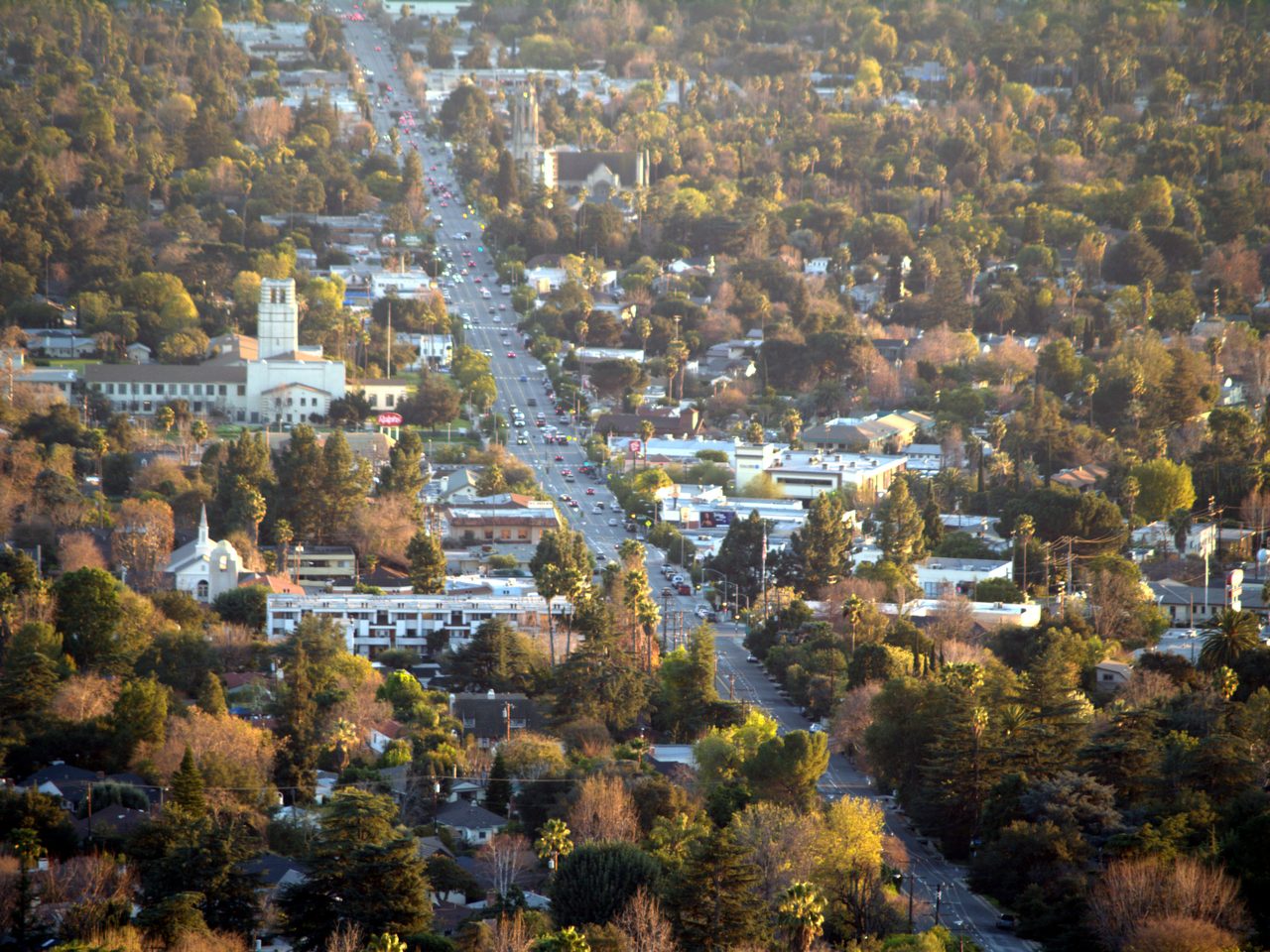 Sell Your Home Fast in Altadena, CA
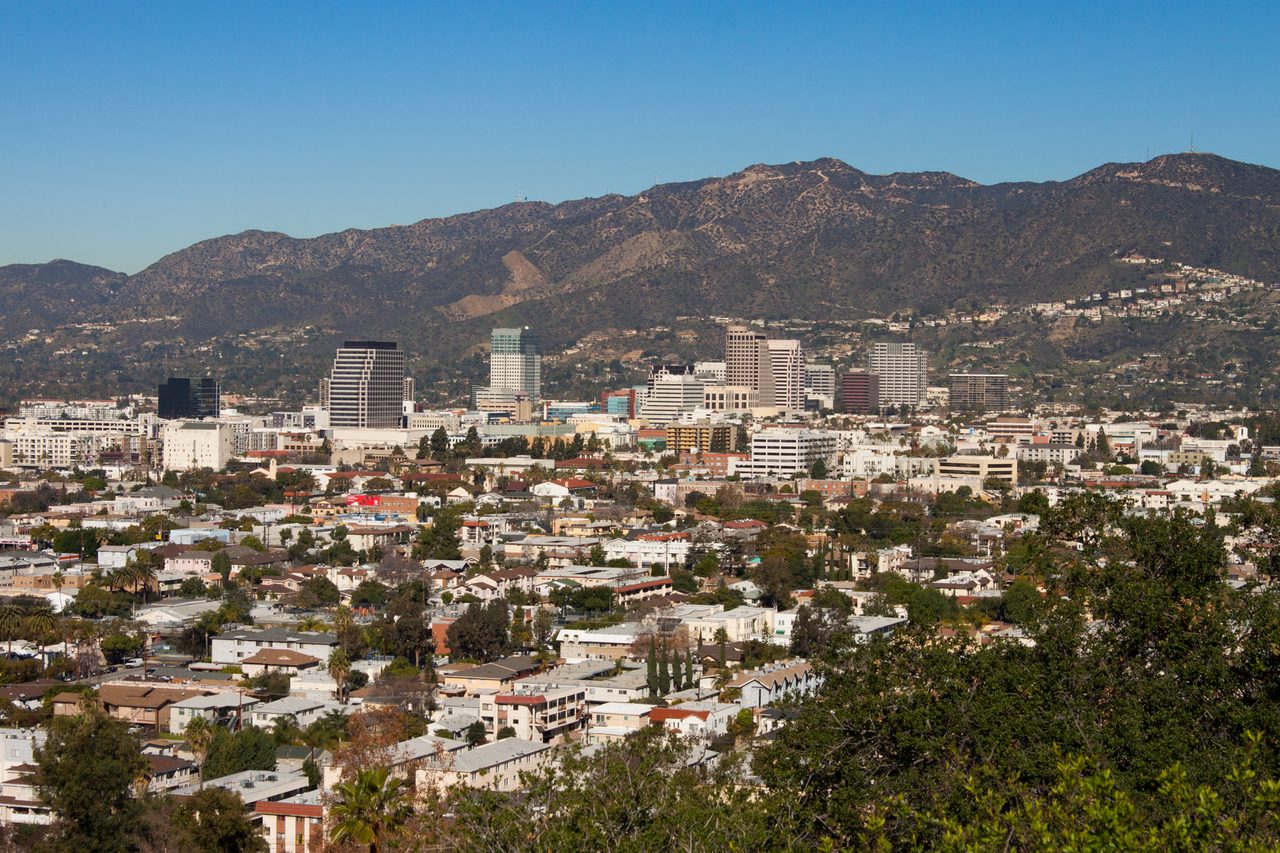 Sell Your Home Fast in Glendale, CA
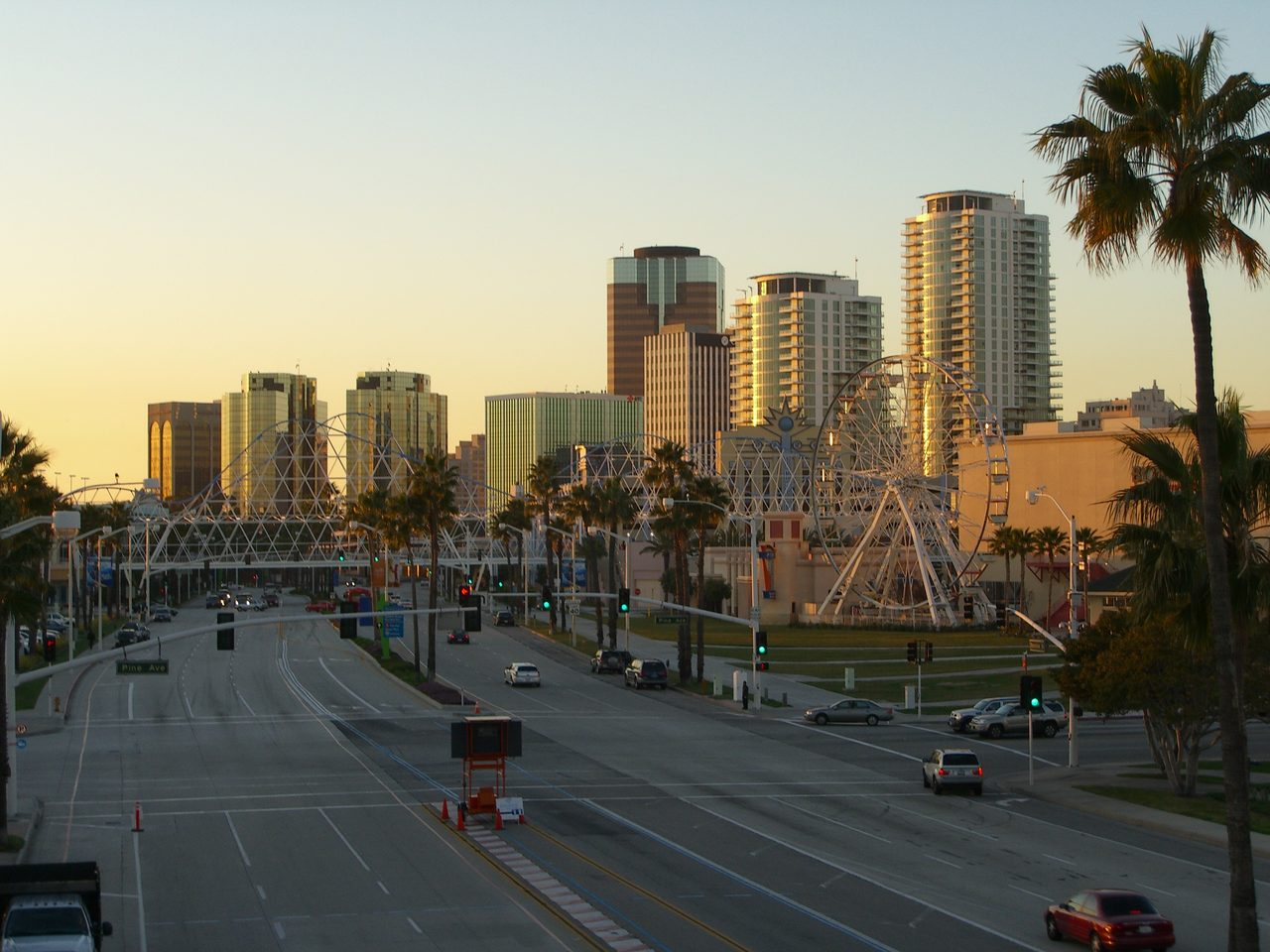 Sell Your Home Fast in Long Beach, CA
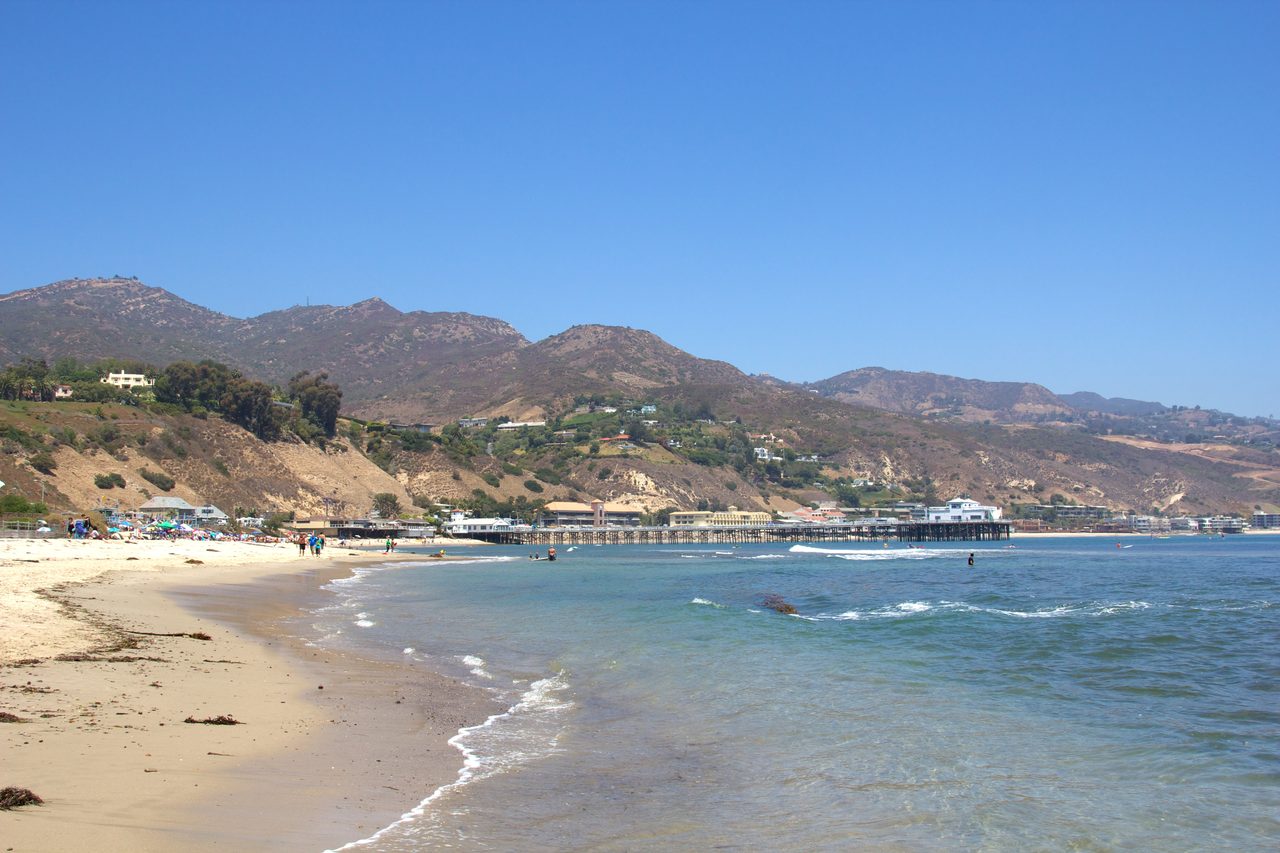 Sell Your Home Fast in Malibu, CA
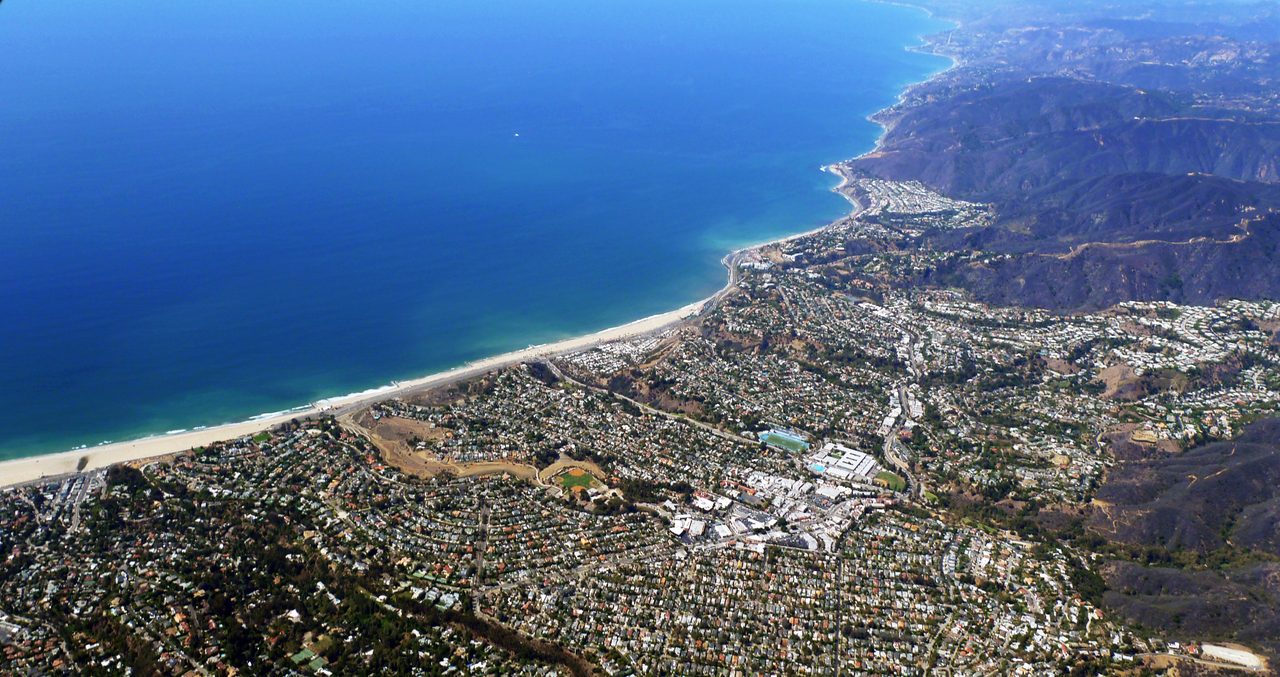 Sell Your Home Fast in Pacific Palisades, CA
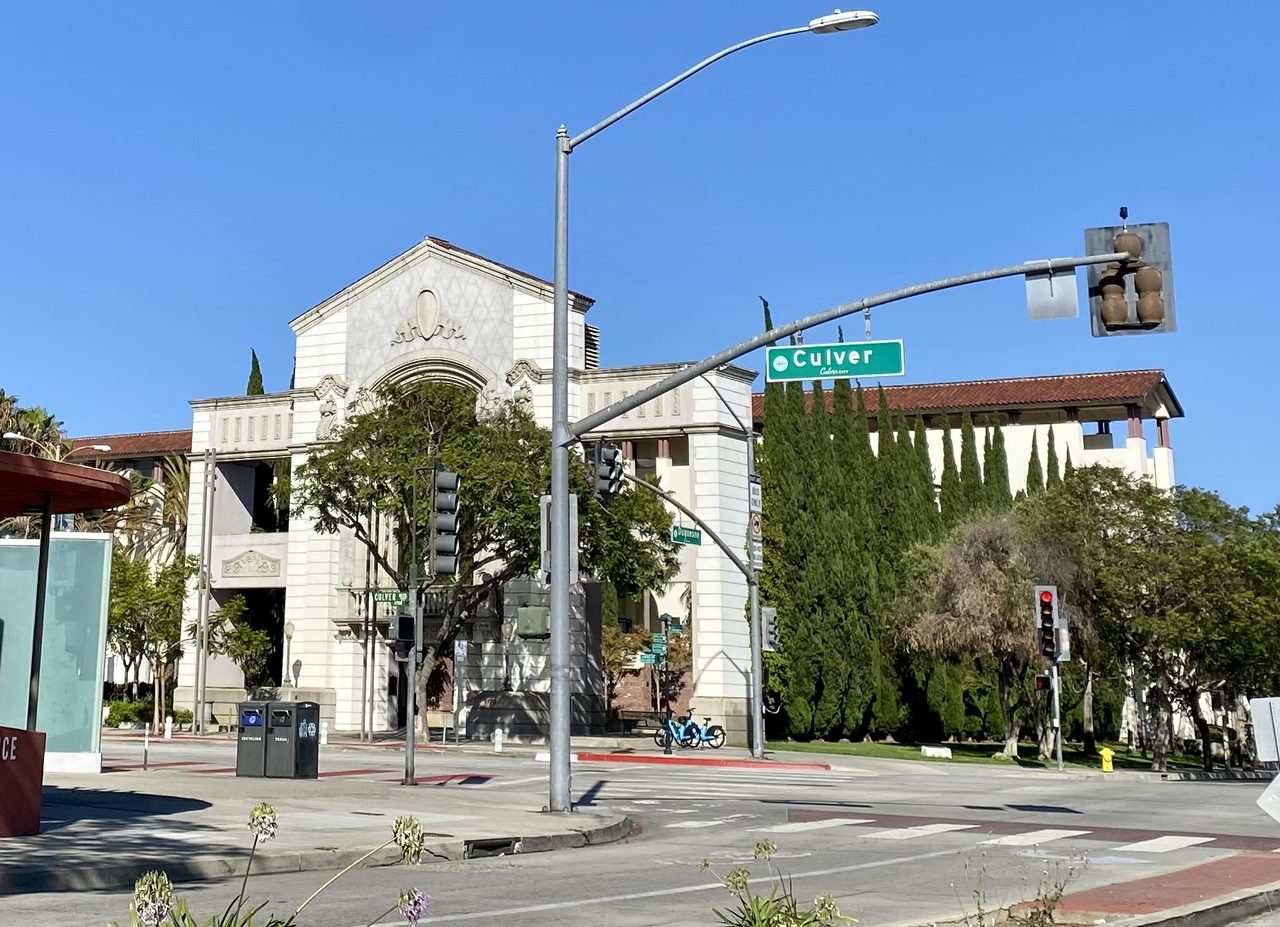 Sell Your Home Fast in Culver City, CA
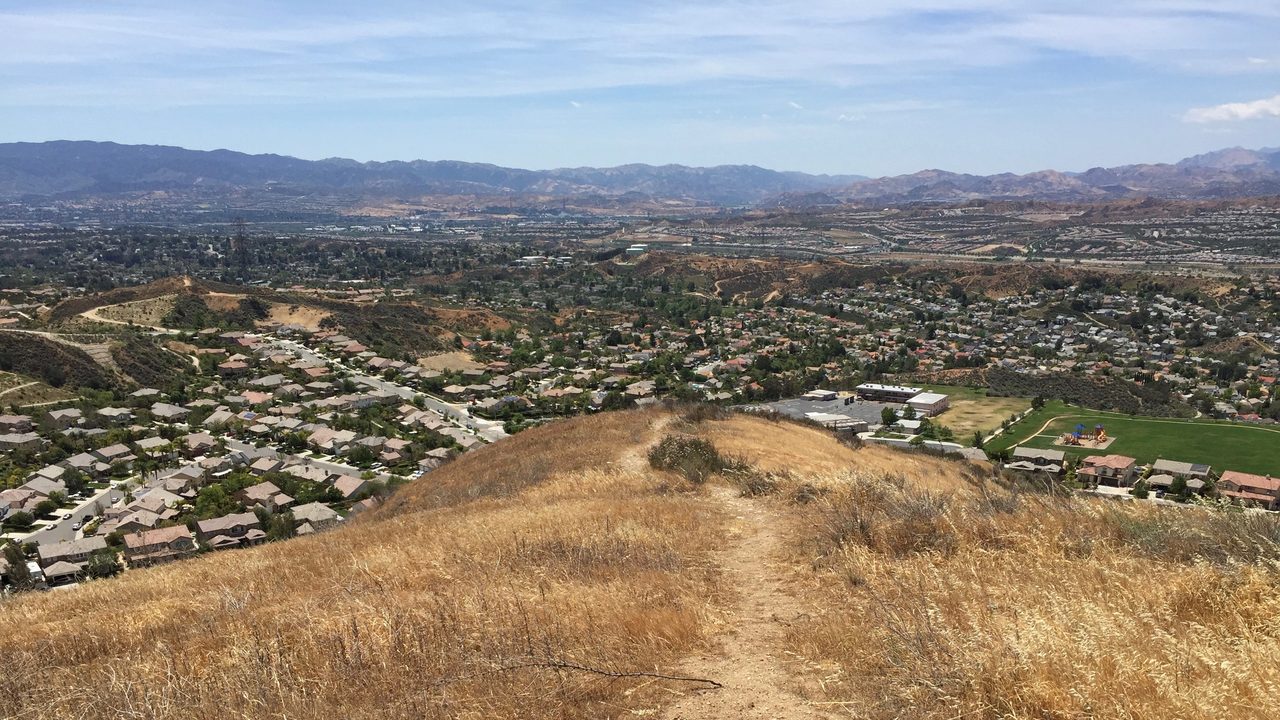 Sell Your Home Fast in Santa Clarita, CA
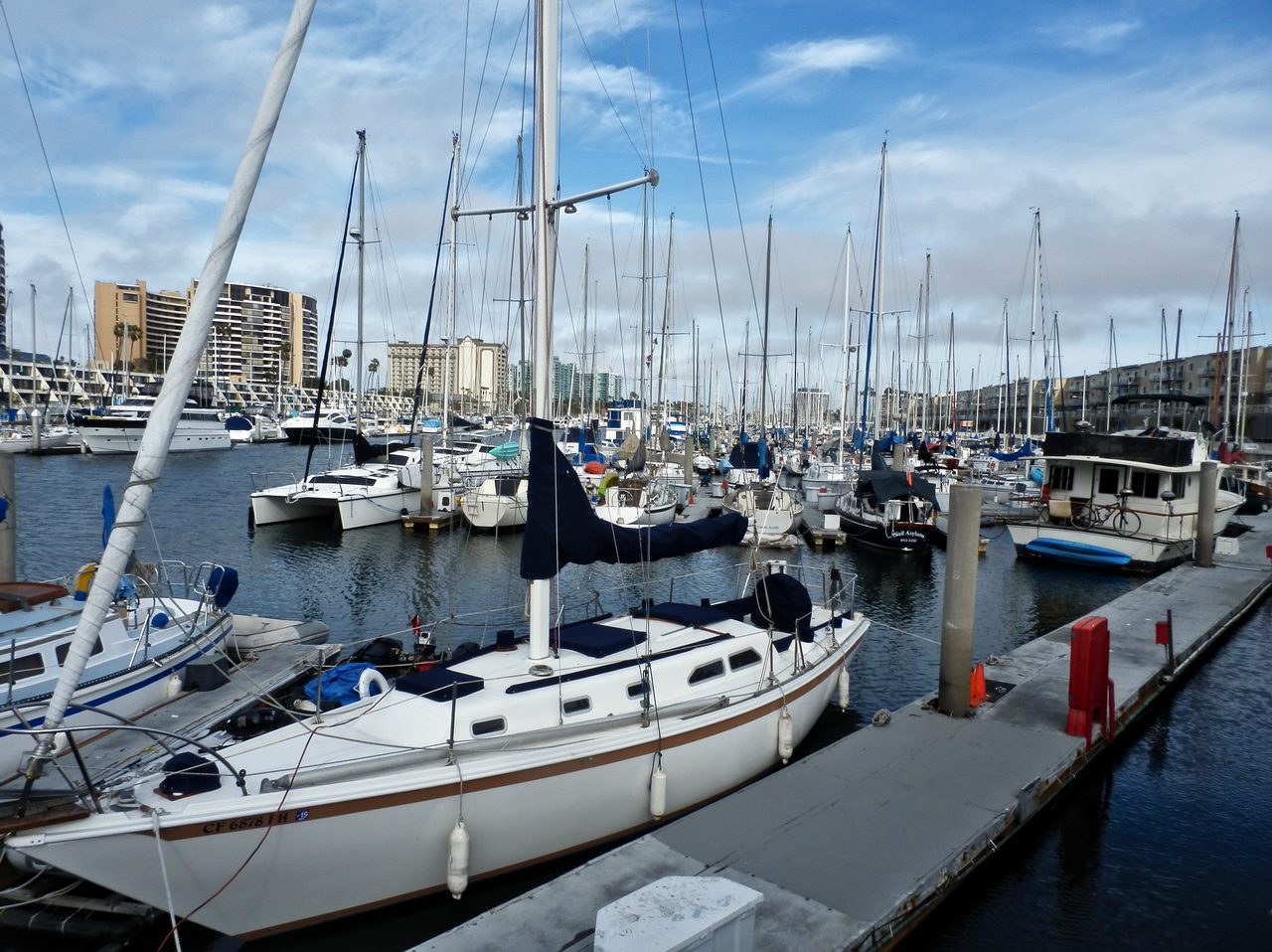 Sell Your Home Fast in Marina del Rey, CA
City photo credits
- Altadena photo: Weedwhacker128 — CC0
- Glendale photo: Gedstrom — CC BY-SA 4.0
- Long Beach photo: Eric Fredericks — CC BY-SA 2.0
- Malibu photo: Mike Peel — CC BY-SA 4.0
- Pacific Palisades photo: Don Ramey Logan — CC BY-SA 4.0
- Culver City photo: Jengod — CC BY-SA 4.0
- Santa Clarita photo: Chevy111 — CC BY-SA 4.0
- Marina del Rey photo: Alexander Migl — CC BY-SA 4.0


Questions About Selling a House As Is in Los Angeles County
Can I sell a house as is in Los Angeles County?
Yes. California does not stop an owner from selling a house in its current condition, and you do not have to repair it first. What you cannot do is skip the disclosures the law requires. California Civil Code section 1102 voids any waiver. Civil Code 1102.1 also says the transfer disclosure statement may not be waived in an "as is" sale.
In Los Angeles County, a house inside the City of Los Angeles also needs the 9A Residential Property Report. The seller gives it to the buyer before the sale agreement or close of escrow. Ask the title or escrow company handling your sale which forms apply to your address. This is general information, not legal or tax advice. (see Sources: Civil Code 1102; Civil Code 1102.1; City of Los Angeles Department of Building and Safety: residential property report)
Does selling as is let me skip the transfer disclosure statement?
Not by itself. A sale is exempt only if it is on the Civil Code 1102.2 list. That list includes court-ordered sales, foreclosure sales and sales by a fiduciary of a trust or estate. It also includes transfers to a spouse or to a person in the line of consanguinity (a blood relative) of a transferor. A sale that a probate court orders is on it, and in Los Angeles County that court is the Los Angeles Superior Court.
An ordinary sale by an owner to a cash buyer is not named there. Civil Code 1102.1 also says the statement may not be waived in an "as is" sale. Confirm your situation with a California real estate attorney. This is general information, not legal or tax advice. (see Sources: Civil Code 1102.2; Civil Code 1102.1; Los Angeles Superior Court: probate)
If my disclosure package goes out late, how many days can the buyer back out?
Three to five days, depending on how the late disclosure was delivered, and the clock starts at delivery. Disclosures that reach the buyer before the buyer makes an offer do not open this window. So the practical fix is timing. Before you accept an offer, ask your listing agent or escrow officer to send the full disclosure package. Keep proof of the date and method.
If the parcel is in a Very High Fire Hazard Severity Zone, the Fire Department researches it for the 9A report. The department says that research usually takes 15 business days for one parcel, so order it early. The person managing your closing can confirm the day count for your delivery method. This is general information, not legal or tax advice. (see Sources: Civil Code 1102.3; Los Angeles Fire Department, Fire Prevention: 9A / Liens)
I am a trustee or executor in Los Angeles. Do I give the disclosure statement?
Civil Code 1102.2 exempts sales by a fiduciary while administering a trust, guardianship, conservatorship or a decedent's estate. It also exempts sales ordered by a probate court, which in Los Angeles County means the Los Angeles Superior Court. There is one catch. Take a trustee of a revocable trust who is a person rather than a company. If that trustee used to own the home or lived there within the year before the sale, the trustee does not get that exemption.
The natural hazard statement is a separate law with its own rules. The City of Los Angeles 9A report is a separate city rule. So ask your escrow officer or attorney which forms your sale needs before you set a closing date. This is general information, not legal or tax advice. (see Sources: Civil Code 1102.2; City of Los Angeles Department of Building and Safety: residential property report; Los Angeles Superior Court: probate)
How do I find out which hazard zones my Los Angeles County house is in?
Ask your escrow officer or listing agent to run your address before you list, because the natural hazard statement depends on where the parcel sits. Civil Code 1103 sets six kinds of zone for that check. Civil Code 1103.2 says the maps only estimate where hazards exist and are not definitive. So a buyer may want a professional opinion.
Keep a copy of the completed statement with your other disclosures, and be ready for questions about insurance. Some houses in the City of Los Angeles sit on a parcel in a Very High Fire Hazard Severity Zone. If yours does, tell whoever orders your 9A report, because that zone triggers fire research. This is general information, not legal or tax advice. (see Sources: Civil Code 1103; Civil Code 1103.2; Los Angeles Fire Department, Fire Prevention: 9A / Liens)
My Los Angeles house is in a Very High Fire Hazard Severity Zone. What should I do before I sell?
Walk the lot first and compare it with the defensible-space rules in California Government Code section 51182. Those rules include the ember-resistant zone within 5 feet that state board regulations set. Keep photos and receipts for any clearing you do. Tell your escrow officer the zone applies, because the natural hazard statement tells the buyer you are subject to that section.
Then order the 9A report early. In the City of Los Angeles the Fire Department researches these parcels, which can take 15 business days or more. It does not offer rush service. Ask about unpaid fees and liens as well, since they stay with the house. This is general information, not legal or tax advice. (see Sources: Civil Code 1103.2; Government Code 51182; Los Angeles Fire Department, Fire Prevention: 9A / Liens)
How do I order the 9A report for my Los Angeles house, and what does it cost?
If your house is inside the City of Los Angeles, the 9A report is the City of Los Angeles Residential Property Report. Ask your escrow officer or listing agent to request it, or apply yourself on the city building department's website. It costs $70.85, so add it to your selling costs. For a parcel in a Very High Fire Hazard Severity Zone, plan around the Fire Department's research time. The department does not offer rush service.
Unpaid fees and liens also stay with the house, so pay or clear them before closing. A house in another city or an unincorporated area follows different rules, so check which reports your city asks for. This is general information, not legal or tax advice. (see Sources: City of Los Angeles Department of Building and Safety: residential property report; Los Angeles Fire Department, Fire Prevention: 9A / Liens)
How much is the transfer tax when I sell a Los Angeles County house?
First check which city the house is in. The county documentary transfer tax is $0.55 for each $500 of value, or $1.10 per $1,000. The recorder says Culver City, Los Angeles, Pomona, Redondo Beach and Santa Monica add a city tax. If your house is in one of them, ask for the city figure too.
The City of Los Angeles is listed at $2.25 for each $500 (the same as $4.50 per $1,000). It also has added percentage taxes on higher-priced sales. The document preparer, not the recorder, calculates the tax. Your purchase agreement decides who pays, so read that clause and ask to see the tax on the closing statement. This is general information, not legal or tax advice. (see Sources: Los Angeles County Registrar-Recorder/County Clerk: documentary transfer taxes)
Will property tax change after I sell my Los Angeles County house?
The county reassesses the property when ownership changes, and that can produce a supplemental bill in addition to the regular yearly bill. What to do: tell your escrow officer early. Ask who is responsible for the supplemental bill under your purchase agreement and how the property tax proration is handled. Then have it shown on the closing statement. If a bill reaches you after closing, contact the Los Angeles County Treasurer and Tax Collector.
Timing matters when a sale closes between January and May, because that can produce two such bills. Before you list, look up the current bill on the County's Property Tax Portal. Use the Assessor's Identification Number printed on it, in the format 1234-567-890. This is general information, not legal or tax advice. (see Sources: Los Angeles County Treasurer and Tax Collector: supplemental secured property tax bill; Los Angeles County Property Tax Portal: annual secured property tax bill)
If I list my Los Angeles house as is, does the agent have to inspect it?
Yes, if you hire an agent. Under Civil Code 2079, an agent working for you under a written listing contract must walk a one-to-four unit home. The agent must tell the buyer about facts that materially affect its value. So give the agent everything you already know about the house before the visit, such as old leaks or past repairs.
That visit does not replace your own disclosure forms under Civil Code 1102 and 1103. For a house in the City of Los Angeles, ask the agent or escrow to order the 9A report. If you sell directly with no broker there is no agent inspection, but your own duties can still apply. This is general information, not legal or tax advice. (see Sources: Civil Code 2079; Civil Code 1102; Los Angeles Fire Department, Fire Prevention: 9A / Liens)
Do I need a defensible-space inspection to sell an as-is house in a Los Angeles County fire zone?
If the parcel is in a high or very high fire hazard severity zone, plan on it. Civil Code 1102.19 has the seller hand the buyer proof that the property meets the defensible-space rules. Selling as is does not change that rule. For homes in the County's zones, the Los Angeles County Fire Department does the inspection. Its AB-38 sheet also says a compliant report from the last six months is enough.
Some cities run their own program; the Glendale Fire Department, for example, charges $115 for the inspection. Book it as soon as you decide to sell, and keep the report with your disclosure package. This is general information, not legal or tax advice. (see Sources: Civil Code 1102.19; Los Angeles County Fire Department: AB-38 real estate sales; Glendale Fire Department: AB 38 real estate disclosure)
Can I sell an as-is rental house in Los Angeles County with tenants still living there?
Often, yes, but tenant protections shape the timeline. California's just-cause law says that once a tenant has lived in a unit for 12 months, the owner cannot end the tenancy without just cause. That holds unless an exemption or a stronger local ordinance applies. Several places in the county add their own rules. Long Beach's Just Cause Ordinance covers tenants who have lived in the unit for 12 months or more. Glendale runs a Rental Rights Program under Ordinance 5922.
The City of Los Angeles Rent Stabilization Ordinance reaches rental property built on or before October 1, 1978. Share the leases and rent records with any buyer early, and get advice before you give a tenant notice. This is general information, not legal or tax advice. (see Sources: Civil Code 1946.2; City of Long Beach: tenant and landlord resources. City of Glendale: comprehensive guide to the Rental Rights Program; Los Angeles Housing Department: rent control property overview)
My Los Angeles County house has work done without permits. Can I still sell it as is?
Yes, but tell the buyer what you know. Civil Code 1102.8 says the disclosure statute does not limit any other duty to disclose. That includes the duty to avoid fraud or misrepresentation. So it is wise to disclose known unpermitted work even in an as-is sale. To see what is on file, start with the right office. Your city may run its own building department. LA County Public Works issues permits for unincorporated areas, also serves some incorporated cities through its City Offices, and takes applications through EPIC-LA.
Inside the City of Los Angeles, the Department of Building and Safety offers a Permit and Inspection Report. It shows permits and inspections on a property. Print what you find and keep it with your disclosure package. This is general information, not legal or tax advice. (see Sources: Civil Code 1102.8; LA County Public Works: building and safety permits; City of Los Angeles Department of Building and Safety: property records)
My Los Angeles County house was damaged in the January 2025 fires. Can I sell it as is?
You can sell a damaged house or lot in its current condition, but gather the fire paperwork first. Los Angeles County reports that the U.S. Army Corps of Engineers completed Phase 2 debris cleanup in September 2025 for owners who opted in. It also tells each owner to keep a copy of the final debris removal documentation. A buyer who plans to rebuild in an unincorporated area such as Altadena may ask about the County's like-for-like rules.
Like-for-like rules keep the same size, location and purpose and require current Building, Fire and Health and Safety codes. For your own tax bill, the State Board of Equalization says a disaster reassessment claim is due within 12 months of the damage. It can be later if the county ordinance allows. This is general information, not legal or tax advice. (see Sources: Los Angeles County Recovery: debris removal; Los Angeles County Recovery: like-for-like rebuild; California State Board of Equalization: disaster relief)
Will the buyer's property tax be higher than mine after an as-is sale in Los Angeles County?
It can be, especially if you have owned the house for many years. Proposition 13 caps the tax at 1 percent of assessed value and limits increases in assessed value to 2 percent a year. But a change in ownership lets the county reassess the property to current market value. The Los Angeles County Assessor says the date of reappraisal is generally the recording date of the deed.
A Preliminary Change of Ownership Report must also be filed when the transfer is recorded. That new value applies to the buyer, not to you. Before closing, ask how the current year's bill will be split between you and the buyer on your closing statement. This is general information, not legal or tax advice. (see Sources: California Constitution Article XIII A (Proposition 13); Los Angeles County Assessor: real property assessment; Los Angeles County Assessor: change in ownership)
The short version
Here is the quick answer for a Los Angeles County owner who wants to sell without fixing anything first.
- You can sell the house in its current condition. No repairs, painting or cleanout are needed before an as-is sale.
- Disclosures still apply. California does not let an "as is" sale skip the transfer disclosure statement [source].
- Hazard zones have their own form. The natural hazard statement covers six kinds of zone, from flood areas to fire zones [source].
- City of Los Angeles address? Order the 9A report early. The Residential Property Report costs $70.85 [source]. Fire research for a Very High Fire Hazard Severity Zone parcel usually takes 15 business days, the Fire Department says [source].
- Plan for transfer tax. The County rate is $1.10 per $1,000, and five cities add a tax of their own [source].
- Compare what you keep, not only the price. Repairs, commission and months of holding costs can shrink what a listing leaves you.
- Want a price on the house as it stands? Ask for a no-obligation cash offer within 24 hours, with a closing in as little as 7 days or on a later date you choose. Call (424) 341-0837.
What does it mean to sell a house as is in Los Angeles?
Selling as is means the buyer takes the house exactly as it stands.
You do not fix the roof, repaint the walls or empty the garage before the sale. The buyer takes the house with its wear, its repairs and its age.
It does not mean you can stay quiet about problems you know about. California law sets disclosure duties for many house sales, and those duties stay in place in an as-is sale. The sections below explain which rules apply to a house in Los Angeles County and where each rule comes from.
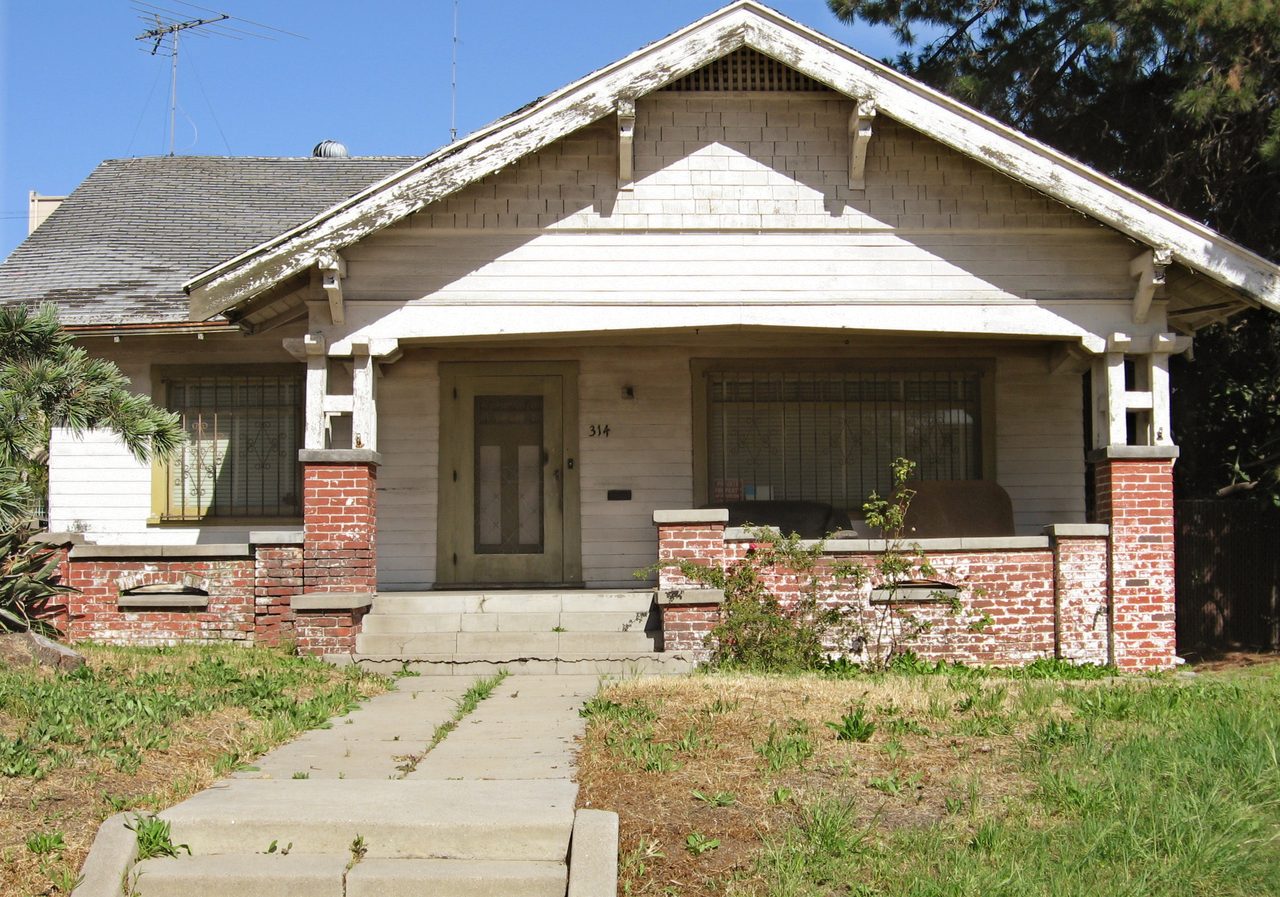
Why owners choose an as-is sale
- The repairs cost too much: the house needs work the owner cannot pay for.
- A tenant lives there: repairs and showings are hard to arrange around a lease.
- It came through an estate: the people who inherited it may not want to manage a renovation.
What you trade
- You give up: some open-market exposure.
- You get: fewer steps, lower costs up front and a closing date you control.
The trade covers the work on the house, not the paperwork. The disclosure forms in the next sections still go to the buyer in an as-is sale.
Let the numbers decide
Whether that is a good trade depends on the numbers, so the last section shows how to compare them. Set the offer beside what a listing would leave you after repairs, commission and holding costs.
Do disclosure rules still apply when you sell a Los Angeles house as is?
Yes. Selling as is does not switch off California's disclosure rules.
- Waivers do not count. The main seller disclosure law starts at California Civil Code section 1102. It covers a sale, an exchange, a real property sales contract and options to buy single-family residential property. It also says that any waiver of its requirements is void as against public policy [source].
- "As is" does not replace the form. Civil Code 1102.1 states the Legislature's intent for these sales. That intent is that delivery of the real estate transfer disclosure statement may not be waived in an "as is" sale [source]. The form itself is set out in Civil Code 1102.6 [source].
- Other duties stay in place. Civil Code 1102.8 adds that the list of items in the statute does not limit any other duty to disclose. That includes the duty to avoid fraud, misrepresentation or deceit [source]. A known problem that is not on the form can still matter.
This is general information, not legal or tax advice. A California real estate attorney can tell you what applies to your sale.
What if you did not know about a problem?
Civil Code 1102.4 covers an error, inaccuracy or omission in the information delivered. It says a seller is not liable for one when all three of these are true [source].
The three conditions
- Outside your knowledge: it was not within the seller's personal knowledge.
- From a required source: it was based on information timely provided by public agencies or other required sources.
- Handled with care: ordinary care was used in getting and passing it on.
How long does a Los Angeles buyer have to cancel after late disclosures?
Civil Code 1102.3 answers two questions for a seller. It sets when the statement must reach the buyer, and how long a buyer can cancel when a disclosure arrives after the offer.
When the seller hands it over
The seller delivers the written statement as soon as practicable before transfer of title. A statement that reaches the buyer before the offer does not open the cancellation window below. Keep a record of the date and the way you sent it.
If the disclosure comes late
If a disclosure reaches the buyer after the buyer's offer was made, the buyer can end the offer. The buyer does this with a written notice. How long the buyer has depends on how the disclosure was delivered.
Time the buyer has to send the notice
- 3 days after delivery in person.
- 5 days after delivery by mail.
- 5 days for an electronic record, when both sides agreed to use one [source].
Where this comes from
These time limits come from Civil Code 1102.3. Count the days from the delivery date, not from the date of the offer. The full source is in the Sources list at the end of this page.
Which Los Angeles house sales are exempt from the transfer disclosure statement?
Only a short list of sales skips the transfer disclosure statement, and an ordinary sale to a cash buyer is not on it.
Civil Code 1102.2 lists the transfers that the disclosure article does not cover [source]. The ones that come up most often in Los Angeles County are:
- Court-ordered sales: sales or transfers made under a court order, including sales ordered by a probate court. In Los Angeles County that court is the Los Angeles Superior Court [source].
- Foreclosure sales: foreclosure sales, and transfers to a lender by a borrower who is in default.
- Fiduciary sales: sales by a fiduciary while administering a trust, guardianship, conservatorship or a decedent's estate. One kind of trustee does not get this exemption. That trustee is a natural person who serves a revocable trust. The trustee is also a former owner or lived in the home within the past year.
- Co-owner and family transfers: transfers from one co-owner to another. The list also covers transfers to a spouse or to a person in the line of consanguinity (a blood relative) of a transferor.
- Divorce transfers: transfers between spouses that result from a divorce or legal separation.
The list does not name an ordinary sale by an owner to a cash buyer. An exemption from this one form also does not end every duty. The natural hazard rules in the next section are a separate law.
If the house came to you through an estate or a trust, read how to sell an inherited house in Los Angeles. If a lender has already recorded a notice, see how to sell a house before foreclosure in Los Angeles.
What natural hazards must you disclose when you sell in Los Angeles County?
A second form, the natural hazard disclosure, tells the buyer which mapped hazard zones the house sits in.
The law starting at Civil Code 1103 requires it on a sale of single-family residential property. It applies when the seller or the seller's agent must disclose the property's location in a hazard zone. It names six kinds of zone [source].
The six hazard zones
- Flood: a special flood hazard area (FEMA zone A or V).
- Dam failure: an area of potential flooding on a dam failure inundation map.
- Fire: a very high fire hazard severity zone.
- Earthquake fault: an earthquake fault zone.
- Seismic hazard: a seismic hazard zone.
- Wildland: a wildland area in a state responsibility area.
What the statement warns
The statement itself is set out in Civil Code 1103.2. It warns that these hazards may limit your ability to develop the property, get insurance or receive help after a disaster. It also says the maps estimate where hazards exist and are not definitive indicators [source].
What changes if your Los Angeles house is in a fire zone?
- Who draws the zones: the State Fire Marshal identifies moderate, high and very high fire hazard severity zones. The Fire Marshal does this using fuel loading, slope, fire weather and other factors [source].
- Brush rules for the owner: the statement tells the buyer about one more law. It says an owner in a high or very high zone is subject to California Government Code section 51182. That section covers an occupied dwelling in a very high zone designated by the local agency. It requires defensible space of 100 feet from each side and from the front and rear of the structure. The space does not extend beyond the property line except as the statute allows [source].
- Paperwork for the buyer: Civil Code 1102.19 covers a seller in a high or very high zone. That seller gives the buyer documentation of defensible-space compliance [source]. The Los Angeles County Fire Department says a compliant inspection from the previous six months meets that requirement [source].
Check your parcel before you sign
Your escrow officer can help you find out where your parcel falls on these maps. Do this before you sign a contract. The answer also tells you whether the defensible-space paperwork above applies to your sale.
What is the Los Angeles 9A report and who needs it?
Inside the City of Los Angeles, one more report is due before the sale: the Residential Property Report, often called the 9A. The city building department explains the rule and the fee, and the Fire Department adds its fire zone research and wait times.
What the city building department says
- The rule: it applies to a house inside the City of Los Angeles. There, the seller must also apply for a Residential Property Report under Los Angeles Municipal Code section 96.300 [source].
- The timing: the seller must deliver it to the buyer before entering into an agreement of sale or exchange, or before close of escrow.
- The cost: the fee is $70.85 per report, and the seller applies online or with the Form 9 PDF [source].
- What it covers: residential property records and pending special assessment liens.
What the Fire Department adds
- Who orders it: the Los Angeles Fire Department calls this the 9A report. It says escrow or the realtor orders it.
- Fire zone research: when the property is in a Very High Fire Hazard Severity Zone, the report triggers fire research.
- How long it takes: the department says a single-parcel request is usually answered within 15 business days. Several parcels take 20, and rush service is not offered.
- Charges that stay with the house: unpaid fees and liens follow the property and not the owner on record. The department also checks the current year's brush inspection status when a sale falls in an active brush season [source].
Plan for the wait
A wait of about three weeks is a good reason to order early. Rush service is not offered, so ask for the report before you set a closing date with any buyer.
Other cities and unincorporated areas
The 9A report is a City of Los Angeles rule. If your house is in another city or in an unincorporated area, ask your escrow officer which local reports apply.
The guide Records to Gather About a California Home's Condition Before a Sale explains the paperwork in plain terms.
What taxes and bills follow a house sale in Los Angeles County?
Two kinds of charges follow a sale here: a one-time transfer tax and a property tax reset. The county collects the transfer tax when the deed is recorded, and it reassesses the property after the change of ownership.
Documentary transfer tax
- The County rate: when a deed is recorded, the county collects a documentary transfer tax. The Registrar-Recorder lists the county rate as $0.55 for each $500 of value, which is $1.10 per $1,000 [source].
- Five cities add their own: Culver City, Los Angeles, Pomona, Redondo Beach and Santa Monica.
- The City of Los Angeles: the recorder lists $2.25 for each $500 (the same as $4.50 per $1,000). It also lists added percentage taxes on prices above $5,400,000 starting July 1, 2026. A second tier applies at or above $10,900,000 [source].
- Culver City: the recorder's schedule for the city's own tax starts at 0.45% on amounts of $1,499,999 or less. It steps up to 4% on amounts of $10,000,000 and above [source].
- Who figures it: the recorder also says the person who prepares the document, not the recorder, calculates the tax.
- Who pays it: that is a term of your contract. So check the purchase agreement and ask your escrow officer to show it on the closing statement.
Find it on your closing statement
The guide How to Review a California Seller Closing Statement shows where such charges appear. Check the transfer tax line against the county rate and any city rate listed above before you sign.
Property tax after the sale
- When it resets: the county reassesses a property after a change of ownership. The Tax Collector says reassessment applies as of the first day of the month after the change.
- Two bills for spring sales: a change between January 1 and May 31 produces two supplemental bills. One covers the rest of that fiscal year and one covers the next.
- What the bill shows: the difference between current and prior assessed values, less exemptions. It is paid in addition to the annual secured bill [source].
How does an as-is cash sale in Los Angeles compare with listing the house?
A listing reaches more buyers, while a direct sale cuts out steps, so compare what each one leaves you. A listing can involve repairs, showings and a commission, while a direct sale to us skips all three.
What a listing can involve
- Getting the house ready: repairs, cleaning, photos and showings.
- Waiting on financing: a buyer's loan approval.
- Commission: an agent's commission added to your costs.
- An agent inspection: this applies to a broker or salesperson who has a written contract with the seller to find a buyer. That agent must also make a reasonably competent and diligent visual inspection of a one-to-four unit home. The agent must disclose facts that materially affect its value or desirability and that an investigation would reveal [source].
What a direct sale to Tucker Buys Houses LA involves
- No prep: we buy houses directly, in their current condition. There is no agent commission, no repairs, no cleanup and no showings.
- A quick answer: we send a no-obligation cash offer within 24 hours.
- Your closing date: the sale can close in as little as 7 days or on a later date you pick. It closes through a title and escrow company.
See how a direct cash sale works.
Write these side by side for each route
- Price: the offer or likely sale price.
- Repairs: repair and cleanup costs.
- Commission: the agent's commission, if you list.
- Holding costs: months of taxes, insurance and utilities while the house waits for a buyer.
- Closing items: transfer tax, any 9A report fee and your closing date.
When listing may be the better route
Some houses suit a listing better. If the house is in good shape and you have months to spare, listing may bring a higher price, and we will say so. Run the side-by-side list above for both routes before you decide.
Selling outside the City of Los Angeles?
- Sell your house fast in Long Beach: the county base transfer tax applies. Long Beach is not one of the five cities on the recorder's special-rate list [source].
- We buy houses in Glendale: Glendale is not on that list either.
- Cash offer on a Culver City house: Culver City adds its own city tax, as the recorder lists.
State rules and city rules
The state disclosure rules work the same way in each of those cities. The 9A report is a rule for the City of Los Angeles only. This is general information, not legal or tax advice.
Sources
- Civil Code 1102 (California Legislative Information)
- Civil Code 1102.1 (California Legislative Information)
- Civil Code 1102.6 (California Legislative Information)
- Civil Code 1102.8 (California Legislative Information)
- Civil Code 1102.4 (California Legislative Information)
- Civil Code 1102.3 (California Legislative Information)
- Civil Code 1102.2 (California Legislative Information)
- Civil Code 1103 (California Legislative Information)
- Civil Code 1103.2 (California Legislative Information)
- Government Code 51178 (California Legislative Information)
- Government Code 51182 (California Legislative Information)
- City of Los Angeles Department of Building and Safety: residential property report
- Los Angeles Fire Department, Fire Prevention: 9A / Liens
- Los Angeles County Registrar-Recorder/County Clerk: documentary transfer taxes
- Los Angeles County Treasurer and Tax Collector: supplemental secured property tax bill
- Civil Code 2079 (California Legislative Information)
- Los Angeles Superior Court: probate
- Civil Code 1102.19 (California Legislative Information)
- Los Angeles County Fire Department: AB-38 real estate sales in the High and Very High Fire Hazard Severity Zones
- Glendale Fire Department: AB 38 real estate disclosure
- Civil Code 1946.2 (California Legislative Information)
- City of Long Beach: tenant and landlord resources (Just Cause Ordinance, LBMC 8.99)
- City of Glendale: comprehensive guide to the Rental Rights Program
- Los Angeles Housing Department: rent control property overview
- LA County Public Works: building and safety permits
- City of Los Angeles Department of Building and Safety: property records
- Los Angeles County Recovery: debris removal
- Los Angeles County Recovery: like-for-like rebuild
- California State Board of Equalization: disaster relief
- California Constitution Article XIII A (Proposition 13)
- Los Angeles County Assessor: real property assessment
- Los Angeles County Assessor: change in ownership
- Los Angeles County Property Tax Portal: annual secured property tax bill
Tucker Buys Houses LA is a direct home buyer, not a law firm, lender or tax advisor. This page is general information, not legal or tax advice.
Contact Us
(424) 341-0837
Email: [email protected]
Since 2016
Service Hours
Monday - Friday: Open 24 Hours
Saturday: Open 24 Hours
Sunday: Open 24 Hours
2026 | All Rights Reserved
Privacy Policy | Terms of Service | Site Map
Contact Us
Service Hours
Open 24 Hours
7 Days Per Week