
Sell an Inherited House in Los Angeles
An inherited house can come with paperwork, repairs, and a home full of belongings. It can also come with a timeline. All of that is hard to keep up with while your family is grieving.
If you typed "sell inherited house Los Angeles" into Google, here is a good first step. Find out who can make decisions for the house. Once you know, Tucker Buys Houses LA can talk with you about a direct sale in a plain, simple way. If the house is anywhere in LA County, start by calling (424) 341-0837.
SELL YOUR HOME IN 3 SIMPLE STEPS
Dozens of people just like you already have!

1. Contact Us By Filling The Form
Provide us with some basic info by filling out the form below. Once we receive your information, we figure out how much we can offer for your house and will contact you within 24 hours.

2. Receive Your Cash Offer
Whether you'd like to meet in person or just speak on the phone, we’ll give you our best, free no-obligation cash offer in writing or just verbally.

3. Pick A Closing Date
If you accept our offer, we can close in as little as 7 days! But if you need more time, we will work closely with you to make sure closing happens on your timeline.
YES, It's That Simple
WE WANT TO HELP!
Life is hard enough without having to worry about trying to sell your home. We'll do everything possible to make selling your home as convenient and stress-free as possible

FOR ANY SITUATION
Foreclosures
Divorce
Financial Struggles
Relocation

IN ANY CONDITION
Structural Damage
Unfinished Interiors
Hoarder Home
Major Repairs Needed

WITH ANY STRUGGLES
Code Violations
Low Equity
Bad Tenants
Late Mortgage Payments
5 Reasons To Work With Us:

NO REPAIRS
We'll gladly buy your home "as-is," in any condition.

WE DO ALL THE WORK
From paperwork to legal complexities, we've got it all covered

NO FEES
You won't pay fees or commissions of any kind.

CLOSE FAST
Close on your schedule and get cash in as little as a week.

LOCAL TITLE COMPANY
We close through a reputable title company in your market.
Selling Your House To Us = No Pressure or Stress
Want to sell your house fast in Los Angeles County but worried about dealing with a complicated process? We are reliable cash buyers who stick to our offers and make selling easy. Whether you are just curious about what a serious cash offer for your house looks like or if you are ready to sell, the offer is free and you are under no obligation to take it.
Sell My House Fast With Confidence!
Fill Out This Form To Get Your No-Obligation All Cash Offer Started!
Need to get in touch?
Los Angeles County Service Area
Choose your city for local information about selling your house as-is.
 Sell Your Home Fast in Altadena, CA
 Sell Your Home Fast in Glendale, CA
 Sell Your Home Fast in Long Beach, CA
 Sell Your Home Fast in Malibu, CA
 Sell Your Home Fast in Pacific Palisades, CA
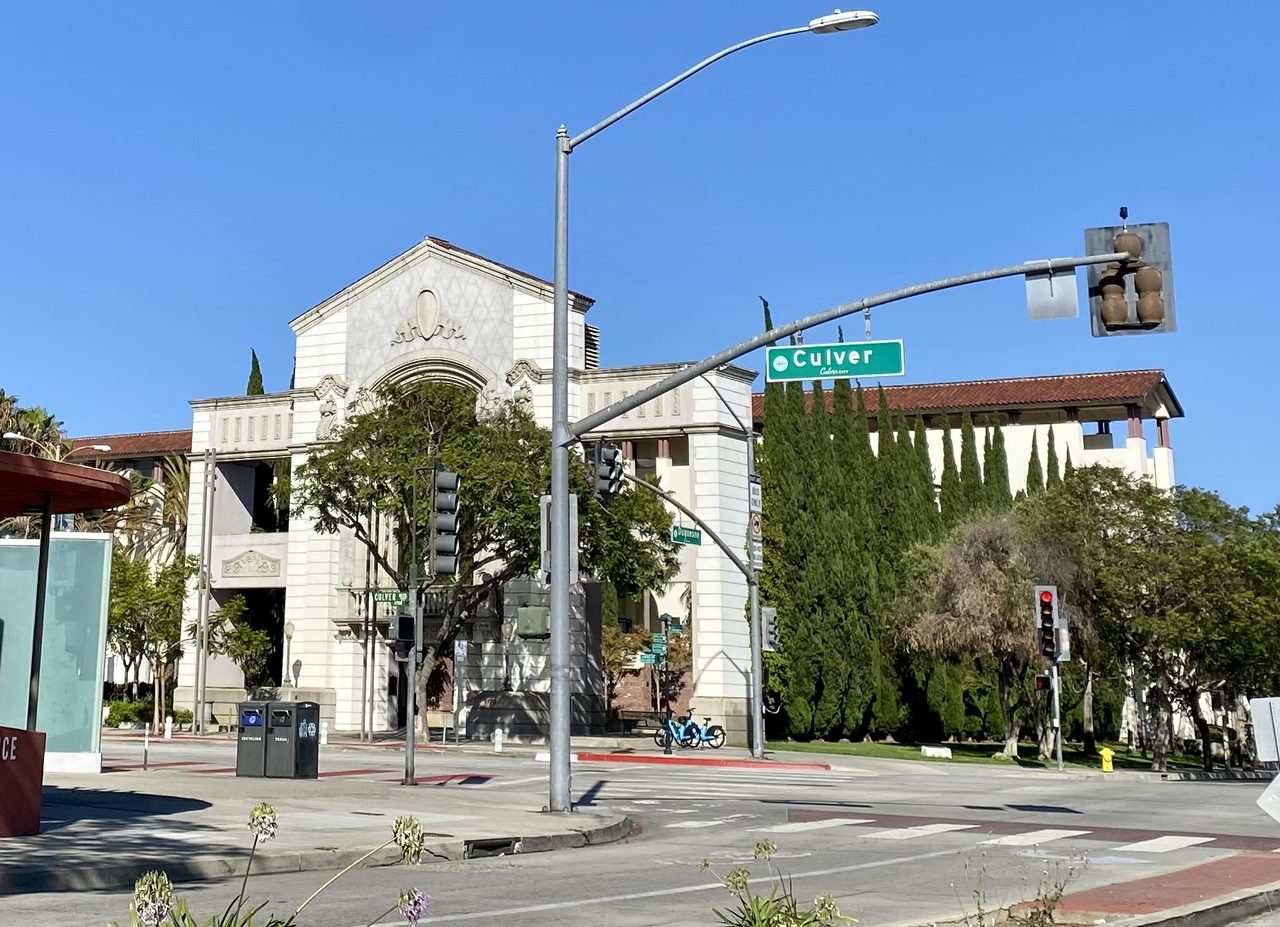 Sell Your Home Fast in Culver City, CA
 Sell Your Home Fast in Santa Clarita, CA
 Sell Your Home Fast in Marina del Rey, CA
City photo credits
- Altadena photo: Weedwhacker128 — CC0
- Glendale photo: Gedstrom — CC BY-SA 4.0
- Long Beach photo: Eric Fredericks — CC BY-SA 2.0
- Malibu photo: Mike Peel — CC BY-SA 4.0
- Pacific Palisades photo: Don Ramey Logan — CC BY-SA 4.0
- Culver City photo: Jengod — CC BY-SA 4.0
- Santa Clarita photo: Chevy111 — CC BY-SA 4.0
- Marina del Rey photo: Alexander Migl — CC BY-SA 4.0


Questions About Selling an Inherited House in Los Angeles County
Can I request an offer before probate is complete?
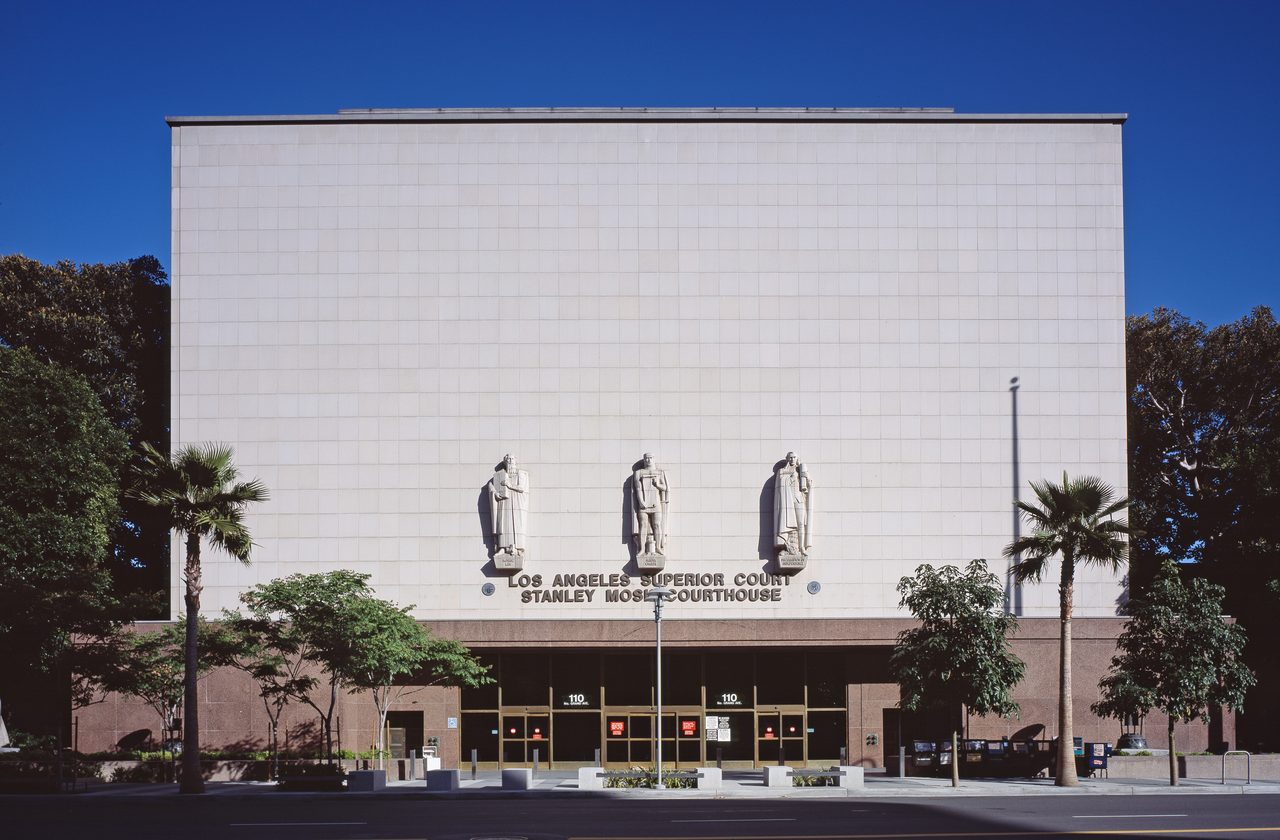
Yes. You can talk with us about the house at any stage. Only the people with legal authority can sign, though, so the closing waits for that step. Many Los Angeles County families ask for a number while the court paperwork is still moving, because it helps them plan the months ahead. Probate cases in the county are handled by the Los Angeles Superior Court's probate division.
If the executor or administrator has limited authority, the sale goes to a confirmation hearing. Other buyers can also bid more in writing at that hearing. Ask your attorney to walk you through that step before you accept any offer. That way the family knows the price is not final until the court rules. (see Sources: Los Angeles Superior Court: probate; California Probate Code section 10311). This is general information, not legal or tax advice.
Do all heirs have to agree to sell?
It depends on how title is held and which transfer path the estate uses. Under the Probate Code, a successor trustee may give a notice of proposed action, and a sale can follow that step. An executor with full authority under the Independent Administration of Estates Act may do the same. Heirs who already own the house together generally all need to sign the deed.
When a Los Angeles County estate is in probate and the family cannot settle a disagreement, the Superior Court's probate division decides it. That adds court time to the sale. Talking early, and naming one family contact for the buyer and escrow, avoids most of these stalls. A California estate attorney or title officer can tell you whose signatures your sale needs. (see Sources: Probate Code 16500-16504 for trustees; Probate Code 10400-10592 for executors; Los Angeles Superior Court: probate). This is general information, not legal or tax advice.
Can I sell an inherited house that needs repairs?
Yes. You can ask for a direct as-is offer on the house in its current condition. That can mean a dated kitchen, a worn roof, old plumbing, foundation questions or code issues. You do not need to hire contractors or pull permits first. We look at the condition when we price the offer, so it helps to share what you already know.
If the house is in the City of Los Angeles, the Department of Building and Safety lets anyone look up permits and related inspections online. Those records can show what work was approved over the years. Families who would rather list after repairs can compare the repair bill and the months of holding costs with a direct offer before choosing. (see Sources: City of Los Angeles Department of Building and Safety: property records)
Do I have to clean out the house before selling?
No. You can sell an inherited house with furniture and belongings still inside. We do suggest the family take what it wants to keep first, including papers, photographs and keepsakes. That matters, because sorting a lifetime of items usually takes longer than the sale itself. Anything left at closing can be handled as part of a direct sale.
You may find a will, a trust, a deed or insurance papers while sorting. If so, set them aside for the family member or attorney handling the estate. Keep the latest Los Angeles County secured property tax bill too. It shows the Assessor's Identification Number, a ten-digit parcel number in the form 1234-567-890, which identifies the parcel in County records. (see Sources: Los Angeles County Property Tax Portal: annual secured property tax bill)
How much is an inherited house worth?
Value depends on condition, location and recent sales of similar homes nearby. Our offer reflects the house as it is today, so you can compare it with the likely price after repairs, commissions and holding costs. In a probate case in the Los Angeles Superior Court, the personal representative gives the inventory to a probate referee designated by the court. The referee then appraises property such as a house. A succession petition also uses a referee's appraisal.
Under the rules the Los Angeles County Assessor applies, increases in assessed value are limited to 2 percent a year. The exceptions are a change in ownership and new construction. As a result, a long-held home can carry an assessed value far below its market value. (see Sources: Probate Code 8900-8902; Judicial Council form DE-310, Petition to Determine Succession to Real Property; Los Angeles County Assessor: real property assessment). This is general information, not legal or tax advice.
Will the family owe tax on the sale?
Taxes depend on the estate, the heirs and the sale price, so a tax professional should advise you. Inherited property often receives a new tax basis at the date of death under federal rules. That can reduce the gain on a sale made soon after. Keep the appraisal or valuation from the date of death, because your tax preparer will ask for it.
In Los Angeles County the Assessor reappraises on a change of ownership. Proposition 19 lets a child keep the parent's lower taxable value only within a $1,044,586 limit. That limit covers transfers from February 16, 2025 through February 15, 2027. (see Sources: 26 U.S.C. 1014; California State Board of Equalization: Proposition 19 parent-child exclusion; Los Angeles County Assessor: change in ownership). This is general information, not legal or tax advice.
What if a relative or tenant is living in the house?
Tell us at the start. An occupant affects the closing date and how the offer is structured. Some families sell with the occupant still in place, while others agree on a move-out date first. A tenant has rights under the lease and under rules that change across the county. In the City of Los Angeles, rent control covers properties built on or before October 1, 1978. State law limits when an owner can end many tenancies without just cause.
The County also extended just cause protections to most rental units in its unincorporated areas. A relative living there without a lease is a family conversation first, and your attorney can explain the steps. (see Sources: Los Angeles Housing Department: rent control property overview, and California Civil Code section 1946.2. For the County rule, see Los Angeles County Department of Consumer and Business Affairs: Temporary Rent Stabilization Ordinance). This is general information, not legal or tax advice.
What if the inherited house still has a mortgage?
The loan does not disappear when the owner dies. For a home with fewer than five units, federal law protects a relative who inherits the home. The relative can generally keep making payments without the lender calling the loan due. When the house sells, the loan is paid off from the sale proceeds at closing. Ask the servicer for a payoff statement and keep the payments current if you can while the estate is settled.
Watch the tax side as well. After a transfer, the Los Angeles County Treasurer and Tax Collector sends a supplemental tax bill only to the owner. That is true even when the lender keeps an impound account, so do not count on the loan's impound account to cover it. (see Sources: 12 U.S.C. 1701j-3(d), Garn-St Germain Act; Los Angeles County Treasurer and Tax Collector: new property owner). This is general information, not legal or tax advice.
Can heirs who live out of state sign the documents?
Usually, yes. Heirs in another state can often sign in front of a notary where they live and send the originals back. The escrow or title company coordinates this step. The signed deed is then recorded with the Los Angeles County Registrar-Recorder. The escrow officer, not the heir, handles that county side.
A Preliminary Change of Ownership Report is filed as well, when the transfer is recorded. If the house passed by joint tenancy, the surviving owner's affidavit of death is also recorded with the county before the sale. Tell us early who is involved and where they live, so the closing can be planned around everyone's schedule. (see Sources: Los Angeles County Assessor: change in ownership; Probate Code 210-212). This is general information, not legal or tax advice.
How long does it take to sell an inherited house?
It depends mostly on the transfer path. A trust sale or a sale by a surviving joint owner can move as soon as the paperwork is gathered. A Petition to Determine Succession for a primary residence needs a court order and a referee's appraisal first. Probate adds more court steps and, with limited authority, a confirmation hearing. In Los Angeles County those steps run through the Superior Court's probate division.
Your attorney can tell you what the court schedule is likely to be for your case. Once the person who can sign is in place, a direct sale can close in as little as 7 days. It can also close on a later date the estate chooses. (see Sources: Judicial Council form DE-310, Petition to Determine Succession to Real Property; Los Angeles Superior Court: probate). This is general information, not legal or tax advice.
Can we sell an inherited house with code issues or unpermitted work?
Yes. You can request an as-is offer on a house with open permits, unpermitted additions or code complaints, and the condition is priced into the offer. Some sales by an executor or trustee are exempt from the standard transfer disclosure statement. Other disclosures still apply, though, so tell us and your escrow officer what you know.
In the City of Los Angeles, sellers of residential property must give the buyer a Residential Property Report from the Department of Building and Safety. They must do so before selling or going into escrow, and the report costs $70.85. Your attorney or escrow officer can tell you which disclosures and reports your estate sale needs. (see Sources: Civil Code 1102.2; City of Los Angeles Department of Building and Safety: Residential Property Report). This is general information, not legal or tax advice.
How do I start?
Call (424) 341-0837 or use the form on this page with the property address and the best way to reach you. We buy across Los Angeles County, so the house can be in the city, a suburb or an unincorporated area. We will ask about the house, who can sign, anyone living there and your timing. If a direct purchase fits, we send a written offer within 24 hours.
If you are not sure yet who has authority to sign, call anyway and we will talk through the order of steps. Your attorney or title officer confirms the details. Requesting an offer does not commit you to sell, and you can share the written offer with the other heirs before anyone decides.
When are property taxes due on an inherited house in Los Angeles County?
The County's annual secured bill is split into two payments. Pay the first, which falls due on November 1, by December 10, or a 10 percent penalty is added. The second payment falls due on February 1. A payment not received or postmarked by April 10 draws a 10 percent penalty plus a $10 cost. The bills keep arriving after a death, so whoever manages the estate should keep them paid; late charges only shrink what the heirs receive later.
A change in ownership can also trigger a separate supplemental bill. When the house sells, escrow usually splits the year's secured taxes between the estate and the buyer, and that split appears on the closing statement. (see Sources: Los Angeles County Property Tax Portal: annual secured property tax bill; Los Angeles County Treasurer and Tax Collector: new property owner). This is general information, not legal or tax advice.
What transfer taxes apply when an inherited house sells in the City of Los Angeles?
Inside the City of Los Angeles, two layers apply. The County charges its documentary transfer tax, which for the five special-rate cities is calculated at $1.10 per $1,000. The City adds its own base tax of $2.25 for each $500 of value. For sales closing after June 30, 2026, the City's Measure ULA tax uses two rates. It adds 4 percent on sales above $5,400,000 and under $10,900,000.
The higher rate, 5.5 percent, applies at $10,900,000 or more. Both rates are figured on the gross value. A sale at or below $5,400,000 owes no ULA tax. Escrow should confirm the rate for the exact address before you sign the closing statement. (see Sources: Los Angeles County Registrar-Recorder/County Clerk: documentary transfer tax; City of Los Angeles Office of Finance: real property transfer tax and Measure ULA). This is general information, not legal or tax advice.
How do I look up the inherited house's tax and assessment records?
Los Angeles County splits the records across two online tools. The Assessor Portal shows detailed property and assessment information, and the Property Tax Portal shows the tax amounts and billing history. Start with the Assessor's Identification Number printed on the annual tax bill, which looks like 1234-567-890.
These records help you check that the bills are current and spot a supplemental bill after the transfer. They also give your attorney or escrow officer the parcel details they need. The assessed value they show is not a market price, so use them for paperwork rather than pricing. (see Sources: Los Angeles County Assessor: property search tool; Los Angeles County Property Tax Portal: annual secured property tax bill)
The short version for Los Angeles heirs
Selling a house you inherited in Los Angeles County comes down to a few checks and one choice.
- Confirm who can sign. A successor trustee, a court-appointed executor or administrator, or a surviving joint owner signs the sale, and the title company checks that authority before closing.
- Find your transfer path. A living trust, a joint tenancy, full probate and a succession petition each move on their own timeline. The petition covers a primary residence worth up to $750,000 [source].
- Plan the timing. A trust or joint tenancy sale can move once the papers are gathered, while probate adds court steps. Once the signer is in place, a direct sale can close in as little as 7 days, or on a later date you pick.
- Know what it costs. A direct sale has no agent commission and no repair bills. Any loan is paid off from the sale proceeds at closing, and taxes, insurance and utilities keep running each month you hold the house.
- Know when to call. Call once you know who will sign, or sooner if a tax installment, a loan payment or a vacant-home insurance limit is coming up.
- Get a number with no pressure. Call (424) 341-0837 for a no-obligation cash offer within 24 hours. Asking for an offer does not commit you to sell.
The sections below explain each step in plain words. This is general information, not legal or tax advice.
Start with the people who can sign
Before any sale can close, you need to know who has the legal right to sign.
A buyer, an escrow officer and a title company all need the same answer. Settle it first and everything after it moves faster.
Who usually signs
- The house is in a living trust. The successor trustee named in the trust usually signs, after the trust paperwork is gathered for the title company.
- A will names an executor. The executor normally needs court authority through probate before signing a sale.
- There is no will and no trust. The heirs set by California law inherit, and someone may need to be appointed to act for the estate.
- The house was held in joint tenancy. The surviving owner can often record an affidavit of death and sell without probate [source].
When to call a professional
If probate or a trust is involved, a qualified California attorney or title professional can explain the documents your situation needs. We are a home buyer, not a law firm, and nothing on this page is legal or tax advice.
Know which transfer path applies in Los Angeles County
California has shorter paths for smaller estates and a court process, probate, for the rest. Which path applies depends on how the house was held, whether there is a trust, and what the home is worth. Each path changes who signs and how long the sale takes.
The common paths, for a death on or after April 1, 2025
- Small-estate affidavit. It covers personal property in estates of $208,850 or less [source].
- Petition to Determine Succession. A decedent's primary residence worth up to $750,000 can pass by this petition (court form DE-310) instead of full probate [source] [source]. The petition requires a probate referee's appraisal of the home.
- Living trust. The successor trustee usually signs, and the title company asks for the trust paperwork.
- Full probate. Homes above those limits, or estates with disputes, usually go through probate. In Los Angeles County, probate cases are handled by the Superior Court's probate division [source].
How a probate sale works
- The house is appraised. The personal representative gives the inventory to a probate referee designated by the court. The referee then appraises the property the representative does not value, which includes a house [source].
- Full authority means fewer steps. A personal representative with full authority can sell after giving a notice of proposed action [source].
- Limited authority means a hearing. The sale needs court confirmation, which adds a hearing and the chance of overbids in court [source].
- Overbids follow a set rule. At that hearing, the court may accept a written offer that beats the original bid by a set margin. That margin is 10 percent on the first $10,000 and 5 percent on the amount above that. The court may also decline the offer [source].
Before you set a sale date
Ask your attorney which path applies before you set a sale date. The answer decides how many court steps come first, and whether other buyers can still bid at a confirmation hearing [source]. This is general information, not legal or tax advice.
Decide what the house needs now
You do not have to fix up or empty the house before you ask about a direct sale. Repairs, cleanup and sorting can wait until you know who signs and which sale path the family prefers. A few steps, though, protect the house in the meantime.
Repairs can wait
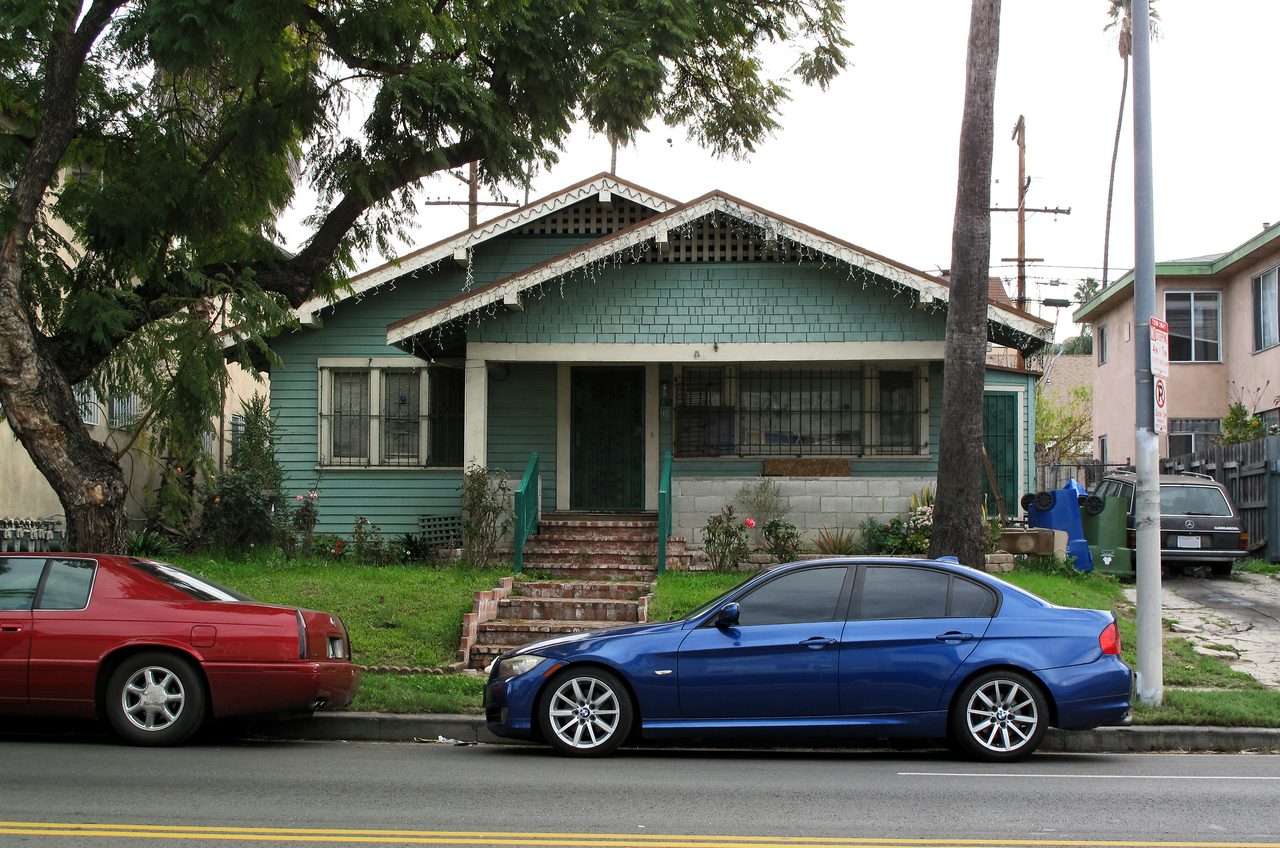
A dated kitchen, a worn roof or old plumbing does not have to be fixed before you ask for an offer. Make a simple list of the property condition, occupants, belongings and any urgent deadlines. That list lets you compare your choices with clear information instead of guesses.
Protect the house while you decide
- Secure it. Change the locks if keys are unaccounted for, and keep the utilities on so pipes and systems are protected.
- Insure it. Tell the insurer the owner has died. A standard policy may limit coverage on a vacant home.
- Keep paying what is due. Property taxes, a mortgage, homeowner association dues and utilities continue after a death. If mortgage payments have already fallen behind, read how to sell a house before foreclosure in Los Angeles.
Sort before you clear
Set aside papers, photographs and items the family wants before anything is removed. Whatever is left can stay in the house for a direct sale.
If someone lives in the house
- City of Los Angeles. Rent control covers properties built on or before October 1, 1978 [source].
- Statewide. California law limits when an owner can end many tenancies without just cause [source].
- Glendale. The city's Rental Rights Program took effect March 14, 2019 [source]. See how to sell an inherited house with a tenant in Glendale.
- Long Beach. The city's just cause ordinance covers tenants who have lived in a unit continuously and lawfully for 12 months or more [source]. See how to sell your inherited house fast in Long Beach.
Tell any buyer about an occupant at the start, because it shapes the closing date. This is general information, not legal or tax advice.
Property tax after an inheritance in Los Angeles County
Proposition 19 changed how California reassesses an inherited home, and the tax result depends on whether an heir moves in. Two questions decide the bill: whether the home keeps the parent's taxable value, and what the County does after the transfer is recorded.
When a child can keep the parent's tax value
- Same home, both principal residences. A child can keep the parent's taxable value only if the home was the parent's principal residence and becomes the child's principal residence [source].
- File within one year. The homeowners' exemption must be filed within one year of the transfer [source].
- The benefit has a cap. For transfers from February 16, 2025 through February 15, 2027, the cap is $1,044,586. The home's market value can exceed its taxable value by no more than that amount. Any value above that is added to the taxable value [source].
If no heir moves in
If no heir will live in the home, it is generally reassessed to market value. That often makes holding a rental or vacant inherited house more expensive than families expect.
What the County does after a transfer
- Reappraisal. The Los Angeles County Assessor reappraises a property as of the date of a change in ownership. A Preliminary Change of Ownership Report is also filed when the transfer is recorded [source].
- Supplemental bill. After a transfer, the County Treasurer and Tax Collector sends a supplemental tax bill only to the property owner. This is true even when a lender holds an impound account, and the bill should not be ignored [source].
Ask the Assessor or a tax professional how these rules apply to your family. This is general information, not legal or tax advice.
Choose a sale path on your timeline
You have two main choices: list the house with an agent, or sell it directly as it is.
Some families prefer to list after repairs. Others prefer a direct sale to cut down the work of preparing the home. A no-obligation offer gives you a number to use alongside professional legal and tax advice.
- Listing with an agent can bring a higher price when the house is in good shape. The family also needs time for repairs, showings and a buyer's loan approval.
- A direct sale means selling the home as it is, belongings and repairs included, on a closing date you choose. You trade some open-market exposure for fewer steps.
With a direct sale, we review the house and, if it fits, send a written offer within 24 hours. When the paperwork is in order, a sale can close in as little as 7 days, or on a later date that suits the estate.
You can read how a direct cash sale works. You can also read what it takes to sell an inherited house as is in Los Angeles without repairs or cleanup.
Talk it through as a family first
Selling a parent's home is often harder emotionally than legally.
Agreeing on a few points early prevents most of the delays that come later. Four questions cover most of it.
- Who speaks for the family? Pick one contact for the buyer, the escrow officer and the attorney, even when several heirs must sign.
- What does each heir want? Some heirs want the house sold quickly; others want to keep it or buy out the rest. Say so before an offer arrives.
- Who pays the bills meanwhile? Decide who covers taxes, insurance and utilities until the sale, and whether they are repaid from the proceeds.
- What is the deadline? A court date, a tax installment or a vacancy clause in the insurance policy can all set a practical end date.
What it costs to hold an inherited house in Los Angeles County
An empty house keeps costing money every month, whether or not anyone lives there. Until the sale closes, the estate or the heirs carry those bills. Each month adds to the total the family weighs against an offer.
Bills that keep coming
- Property tax installments. The first installment is due November 1 and draws a 10 percent penalty if it is not received or postmarked by December 10. The second is due February 1 [source].
- Insurance. Homeowners or vacant-property coverage continues.
- Utilities and upkeep. Power, water and gardening keep the house safe and presentable.
- Loan and dues. Any mortgage and homeowner association dues keep running.
A simple way to compare
- Add up the monthly costs listed above.
- Multiply by the months a listing would take, including repairs before it goes on the market and the buyer's escrow after.
- Add agent commissions and repair costs. That total is what a listing has to beat.
- Compare it with a direct offer on a set date.
After you add it up
Sometimes a listing clearly comes out ahead; sometimes a direct sale leaves the family close to the same place with far less work. At closing, secured property taxes are typically prorated between buyer and seller in escrow [source]. Writing the numbers down makes the choice easier to discuss with the other heirs.
How a direct sale of an inherited house works
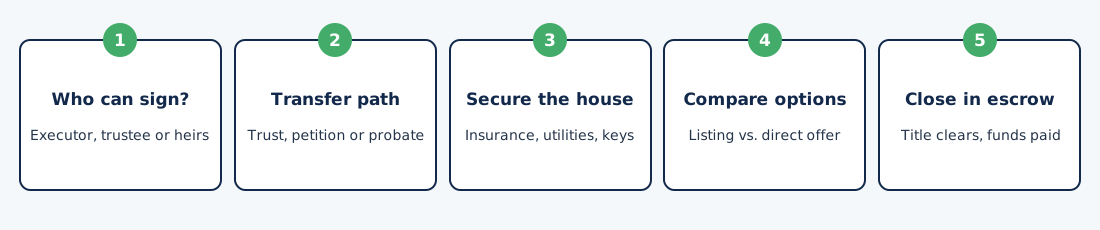
A direct sale has five steps, and the estate sets the pace.
- Call or send the form. Tell us the address, who can sign and your timing.
- We review the house. We look at the condition as it is, with the belongings still inside if that is easier.
- You get a written offer within 24 hours. Share it with your attorney, trustee or the other heirs; there is no obligation.
- Escrow opens. The title company confirms who signs and orders the payoff of any loan.
- You choose the closing date. A sale can close in as little as 7 days when the paperwork is ready, or later if the estate needs time.
Picking the closing date
The estate sets the closing date, so it can line up with the steps that are still open. It helps to pick a date only after the signer is in place and the paperwork is ready.
What the date has to fit around
Pick a date that fits the court schedule, the move-out of anyone living in the house and the travel plans of the heirs. Leave room for escrow as well, since the title company confirms who signs and orders the payoff of any loan before closing.
Heirs in another state
If an heir lives out of state, tell us early so signing can be planned around them. An heir in another state can often sign in front of a notary where they live and send the originals back to escrow.
When a direct sale is not the best fit
A direct sale is not right for every inherited house, and we will tell you when it is not. The right choice turns on three things: the condition of the house, whether the heirs agree, and how soon anyone needs the money.
Listing usually brings more when
- The house is in good condition.
- The heirs agree on selling.
- Nobody needs the money soon.
In that case, listing on the open market will usually bring a higher price.
A direct sale tends to fit when
- The house needs significant work or is full of belongings.
- A tenant or relative lives in it.
- The heirs live far away and cannot manage repairs and showings.
Reasons to wait or rethink
- An heir wants the house. If an heir wants to keep it or buy out the others, a sale to an outside buyer may not be what the family wants.
- The court must confirm the sale. Other buyers can make higher written offers at the hearing [source], so the final price is not set until the hearing.
- The signer has no authority yet. No sale can close until that step is complete, whoever the buyer is.
- An heir plans to live there. A child who moves into a parent's principal residence may keep the parent's lower taxable value under Proposition 19 [source]. A sale gives that benefit up.
Getting the numbers checked
Your attorney or tax professional can run the numbers for your family. Bring them the written offer, the latest tax bill, any loan payoff statement and the date-of-death valuation, so they work from real figures.
Paperwork that helps at closing
Gather the estate papers in one folder before escrow opens, and the closing goes faster. Escrow and title use these papers to confirm who can sign, pay off any loan and record the deed with the County.
What escrow and title will ask for
The title company checks that the person signing has authority, and it orders the payoff of any loan. Having the papers ready saves a second round of requests.
Your estate folder
Keep one folder, on paper or online, and name one heir to look after it. Add new papers as the attorney or escrow officer asks for them, so nothing is lost between steps.
Proof of who can sign
- The death certificate.
- The trust or the court's letters that show who can sign.
- The recorded affidavit of death, if the house passed to a surviving joint owner by joint tenancy [source].
Loan and value papers
- The current mortgage statement, if there is a loan.
- The date-of-death appraisal or valuation, which the tax preparer will want later.
- The latest secured property tax bill, which shows the Assessor's Identification Number that identifies the parcel in County records [source].
Further reading
The guide California Preliminary Title Reports: A Seller’s Reading Guide explains what title checks. Mortgage Payoff When Selling a California Home covers how any remaining loan is paid from the proceeds.
Recording the deed in Los Angeles County
- Documentary transfer tax. The deed is recorded in Los Angeles County, where the tax is $0.55 for each $500 of value at the county rate. Five cities, including Los Angeles and Culver City, have special rates, so ask escrow which applies to the address [source].
- Change of ownership report. A Preliminary Change of Ownership Report is filed when the transfer is recorded [source].
Ask the escrow officer to walk the family through each line of the closing statement before anyone signs. This is general information, not legal or tax advice.
Sources
- Judicial Council of California: maximum amounts for summary succession procedures (California Probate Code 890)
- Probate Code 210-212 (affidavit of death of a joint tenant, recorded with the county)
- Judicial Council form DE-310, Petition to Determine Succession to Real Property (primary residence)
- Los Angeles Superior Court: probate
- Probate Code 8900-8902 (inventory and appraisal; probate referee)
- Probate Code 10400-10592 (Independent Administration of Estates Act; notice of proposed action)
- Probate Code 10311 (overbids at the hearing to confirm a sale)
- Los Angeles Housing Department: rent control property overview
- California Civil Code section 1946.2 (just cause to end a tenancy)
- City of Glendale Rental Rights Program: comprehensive guide
- City of Long Beach: tenant and landlord resources (Just Cause Ordinance, LBMC 8.99)
- California State Board of Equalization: Proposition 19 parent-child exclusion
- Los Angeles County Assessor: change in ownership (Preliminary Change of Ownership Report)
- Los Angeles County Treasurer and Tax Collector: new property owner (supplemental bills)
- Los Angeles County Property Tax Portal: annual secured property tax bill (installments and penalties)
- Los Angeles County Registrar-Recorder/County Clerk: documentary transfer tax
- Probate Code 16500-16504 (California Legislative Information)
- City of Los Angeles Department of Building and Safety: property records
- Los Angeles County Assessor: real property assessment
- 26 U.S.C. 1014 (basis of property acquired from a decedent)
- Los Angeles County Department of Consumer and Business Affairs: Temporary Rent Stabilization Ordinance
- 12 U.S.C. 1701j-3(d), Garn-St Germain Act (no due-on-sale call on a transfer to a relative at the borrower's death)
- Civil Code 1102.2 (transfers exempt from the transfer disclosure statement)
- City of Los Angeles Department of Building and Safety: Residential Property Report
- City of Los Angeles Office of Finance: real property transfer tax and Measure ULA
- Los Angeles County Assessor: property search tool
Tucker Buys Houses LA buys inherited houses and other homes directly. We are not a law firm, a lender or a housing counselor. Take questions about probate, a trust or who may sign for the estate to a probate attorney. Take questions about the estate's taxes to the estate's tax advisor. Everything in this guide to selling an inherited house is general information. It is not legal, tax or financial advice.
Contact Us
(424) 341-0837
Email: [email protected]
Since 2016
Service Hours
Monday - Friday: Open 24 Hours
Saturday: Open 24 Hours
Sunday: Open 24 Hours
2026 | All Rights Reserved
Privacy Policy | Terms of Service | Site Map
Contact Us
Service Hours
Open 24 Hours
7 Days Per Week